
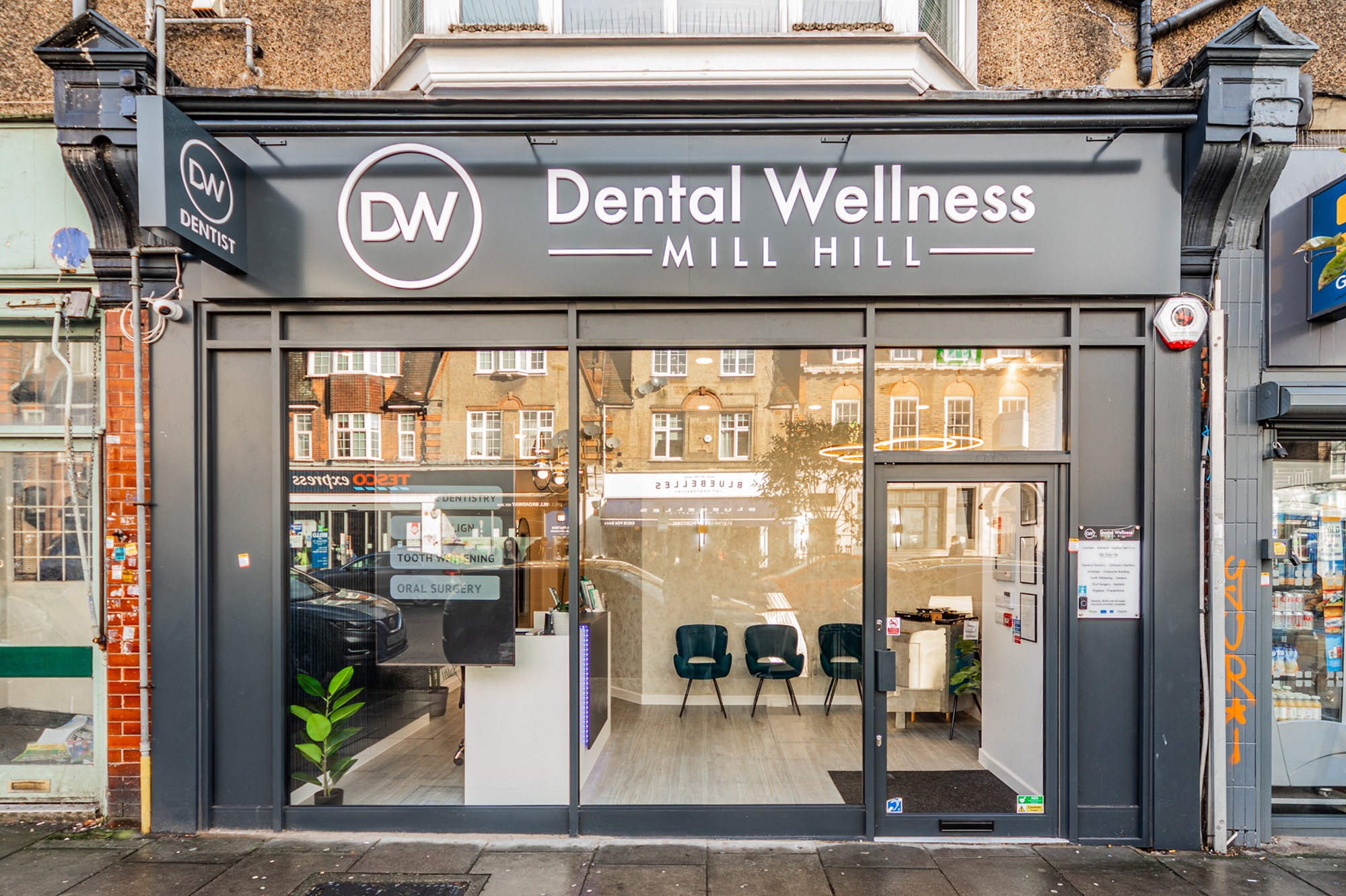
In modern dentistry, the focus has shifted to patient-centred care, where the patient’s comfort, trust, and overall experience play a pivotal role in their treatment outcomes. It’s no longer just about providing expert medical services; it’s about creating an environment that promotes healing and reduces anxiety.
When designing a dental clinic, one must pay close attention to how the space can foster trust, comfort, and a positive treatment experience. By considering essential design elements such as layout, lighting, technology integration, and privacy, dental practices can create spaces that are welcoming and conducive to positive healthcare interactions.
This blog explores how thoughtful dental clinic design and the strategic fit-out of consultation rooms can make a significant impact on patient outcomes.
Understanding Patient Needs in Consultation Rooms
Reducing Anxiety
Dental anxiety is a common barrier that prevents many patients from seeking treatment. According to a study, approximately 36% of people experience dental anxiety or fear, which can significantly impact patient retention and treatment outcomes. To mitigate these feelings, the design of consultation rooms should incorporate elements that reduce stress. Calming colours like soft blues and greens, as well as natural light, can have a soothing effect. Adding indoor plants or views of the outdoors can also create a calming atmosphere that eases anxiety.
Privacy and Confidentiality
Patients expect their conversations to remain private, particularly when discussing personal health information. Ensuring confidentiality in the dental clinic design of consultation rooms is essential for building trust. A discreet layout, with strategically placed partitions or frosted glass, ensures that patients’ discussions with practitioners are kept confidential. In addition, soundproofing the room or installing white noise machines can further prevent conversations from being overheard, enhancing privacy.
Accessibility
For a truly inclusive dental practice, accessibility must be prioritised. Designs should accommodate mobility-impaired patients, with wide doorways and ergonomic furniture that supports easy access. The consultation room should also be spacious enough to allow for movement, ensuring that patients in wheelchairs or with other mobility challenges can comfortably navigate the space.

Key Design Elements for Patient-Centered Consultation Rooms
Layout and Furniture
Collaborative Seating Arrangements
Gone are the days of the cold, clinical exam table. A more patient-friendly layout would replace this with inviting, comfortable seating that fosters open communication. Circular or semi-circular seating arrangements are ideal as they remove the hierarchical nature of traditional exam rooms, allowing the dentist and patient to face each other and engage in meaningful dialogue.
Space Efficiency
Not all dental practices have the luxury of large consultation rooms. For smaller spaces, modular furniture is an excellent option, as it can be adjusted to suit various needs. For instance, foldable desks or chairs can help maximise available space without compromising on comfort or functionality.
Calming Environment
Lighting
Lighting plays a vital role in shaping the atmosphere of a consultation room. A combination of soft ambient lighting and task lighting can create a soothing environment while still allowing the practitioner to perform clinical tasks with precision. Dimmed lighting helps patients relax, while brighter task lighting ensures that the dental professional has optimal visibility for their work.
Colour Psychology
The colours used in consultation rooms are crucial in setting the tone for the patient’s experience. Pastel colours like soft blues, greens, and neutrals are calming, reducing stress and anxiety. Harsh whites, which may feel sterile, should be avoided as they can create an unwelcoming, cold atmosphere.
Technology Integration
Digital Tools
In today’s digital world, technology plays a vital role in the design of consultation rooms. Wall-mounted screens allow dental professionals to share X-rays, treatment plans, or educational material with patients, making the consultation more interactive and informative. This not only improves communication but also empowers the patient by involving them in the decision-making process.
Paperless Systems
Digital forms for patient check-ins can streamline the patient intake process and reduce wait times. A paperless system helps improve the flow of operations in a dental clinic, increasing efficiency and providing a more seamless experience for the patient.
Privacy Enhancements
Soundproofing
Consultation rooms should be designed to prevent conversations from being overheard by anyone outside the room. Installing acoustic panels or white noise machines can help to create a soundproof barrier that ensures confidential discussions remain private.
Visual Barriers
In addition to soundproofing, visual privacy is also critical. Frosted glass partitions or curtains can create visual barriers to protect patient confidentiality, ensuring that private conversations are not visible to others.

Overcoming Common Design Challenges
Small Spaces
Dental practices operating in smaller spaces may find it challenging to create an ideal consultation room layout. However, this challenge can be overcome with clever design choices. Vertical storage options, foldable furniture, and multi-functional spaces can help maximise limited square footage. By investing in a flexible dental practice fit out, smaller rooms can be transformed into functional, efficient spaces that still meet patient needs.
Budget Constraints
Not all dental practices have the luxury of a large budget for design upgrades. However, there are cost-effective ways to improve the consultation room. Simple changes like repainting the walls in soothing colours or incorporating plants can significantly enhance the patient experience without breaking the bank.
Workflow Optimisation
Efficient workflows are key to ensuring smooth operations within a dental practice. Zoning layouts that separate clinical areas from administrative spaces help improve efficiency and allow staff to work without interruption. Clear signage and an intuitive layout are crucial for guiding patients through the clinic seamlessly.
Future Trends in Consultation Room Design
As technology continues to advance, so too does the design of consultation rooms. Emerging trends include AI-powered systems that adapt lighting, sound, and temperature based on individual patient preferences, creating a more tailored experience. Additionally, biophilic design, with living walls and natural textures, is gaining popularity for its ability to reduce stress and promote overall well-being.
The rise of telehealth also plays a significant role in shaping consultation room design. Hybrid consultations, combining in-person visits with virtual appointments, require rooms to be equipped with high-quality audio-visual technology to provide seamless experiences for patients at home and in the clinic.
Conclusion
The design of dental consultation rooms plays an undeniable role in enhancing patient trust, comfort, and the overall treatment experience. By prioritising patient needs and incorporating thoughtful design elements such as calming environments, collaborative seating, and technology integration, dental practices can create spaces that foster positive treatment outcomes.
Ready to transform your consultation room? Start with a small change today and see the difference it can make in your patients’ experience!
At Divo Interiors Ltd, we specialise in dental clinic design and can help you create a patient-friendly consultation room tailored to your needs.