
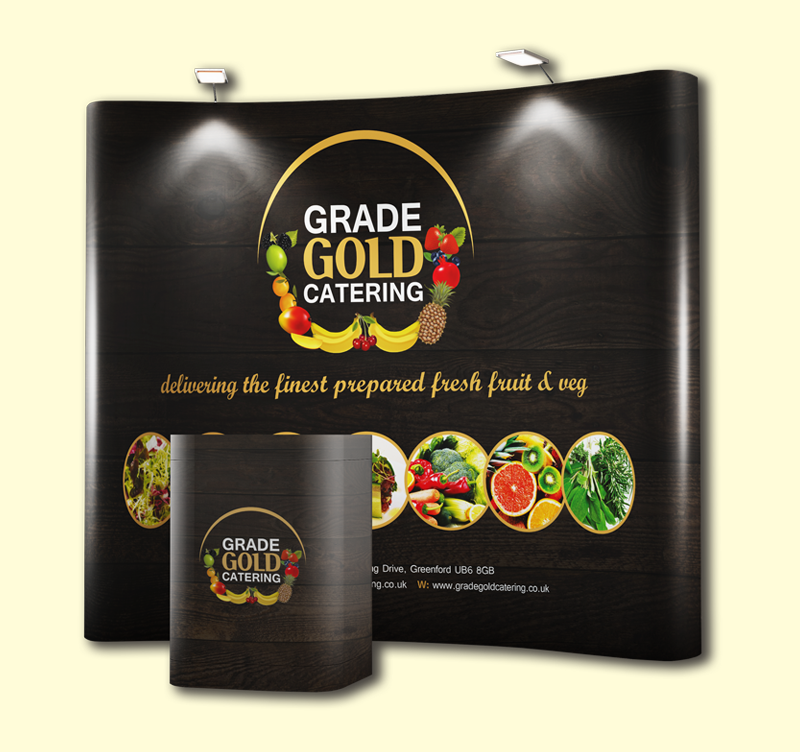
In the vibrant landscape of UK trade shows and exhibitions, making a memorable impression is crucial. Your exhibition panels and promotional counters act as the visual handshake between your brand and potential clients. Crafting designs that are both captivating and informative can significantly influence footfall and engagement. This guide offers expert insights into designing exhibition panels that not only draw attention but also effectively communicate your brand’s message.
Understanding Your Audience and Objectives
Understanding your audience and setting clear objectives are foundational steps in designing effective exhibition panels and promotional counters. By tailoring your display to your target audience’s individual requirements and demands, you may increase engagement and fulfill your exhibition objectives.
Key Steps to Understand Your Audience and Define Objectives:
-
Define Your Target Audience:
- Identify demographic factors such as age, gender, location, and occupation.
- Consider psychographic elements like interests, values, and lifestyle.
- Understand their motivations for attending the exhibition.
-
Conduct Market Research:
- Utilise surveys and interviews to gather insights into audience preferences.
- Analyse industry reports and competitor strategies to identify trends.
- Review data from previous exhibitions to understand attendee behaviour.
-
Segment Your Audience:
- Group your audience according to similar features or needs.
- Tailor your messaging and design elements to each segment for greater relevance.
-
Set Clear Objectives:
- Determine what you aim to achieve—be it brand awareness, lead generation, or product promotion.
- Establish measurable goals to assess the success of your exhibition efforts.
By thoroughly understanding your audience and clearly defining your objectives, you can create exhibition panels and promotional counters that not only attract attention but also drive meaningful engagement and results.
Key Design Principles for Exhibition Panels
Visual Hierarchy and Layout
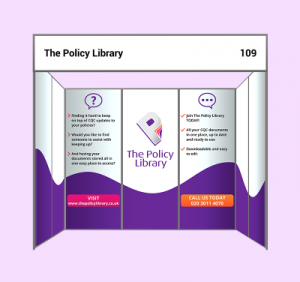
A well-structured layout guides the viewer’s eye through the content seamlessly. Prioritise essential information by positioning it at eye level and using larger fonts or bold colours to highlight key messages. Ensure there’s ample white space to prevent visual clutter, making the panel more approachable.
Colour Psychology
Colours are powerful psychological tools that can significantly influence perceptions and emotions. In exhibition design, selecting the right colour palette is crucial to effectively convey your brand’s personality and message. By thoughtfully integrating these colours into your exhibition panels and promotional counters, you can create a visually cohesive and emotionally resonant experience that aligns with your brand’s identity and objectives.
|
Colour |
Emotion Evoked |
Ideal Use Case |
| Red | Energy, Urgency | Promotions, Calls to Action |
| Blue | Trust, Calmness | Corporate, Financial Services |
| Green | Growth, Health | Eco-friendly, Wellness Brands |
| Yellow | Optimism, Attention | Start-ups, Innovation Displays |
| Black | Sophistication | Luxury Products |
Typography
Choosing clear, legible fonts that align with your brand identity is essential for effective exhibition design. Opt for sans-serif fonts like Arial or Helvetica, known for their readability and modern appeal. Limit the number of typefaces to two or three to maintain visual harmony and avoid clutter. Ensure font sizes are appropriate for readability from a distance; for instance, body text should be at least 16pt, with headings larger to create a clear hierarchy.
Imagery and Graphics
High-quality images and graphics play a pivotal role in conveying complex information swiftly and effectively. Utilising infographics allows for the presentation of data in a concise and engaging manner, enhancing audience comprehension and retention.
Enhancing Engagement Through Interactivity
Incorporating interactive elements can significantly boost engagement. Consider integrating touchscreens, QR codes, or augmented reality features to provide an immersive experience. These technologies not only captivate visitors but also offer additional layers of information without overwhelming the primary design.
Practical Considerations for Effective Panels
Beyond aesthetics, practical aspects play a crucial role in the success of your exhibition setup.
- Material Selection: For exhibition panels and promotional counters that endure multiple events, selecting robust materials is essential. Aluminium stands out for its lightweight yet sturdy nature, facilitating easy transport and assembly. It also resists dampness and impacts.
- Modularity: Make screens that can be easily adjusted to fit multiple booth sizes and styles. Modular exhibition systems, such as the T3 Modular Exhibition System, offer unparalleled flexibility, allowing you to adapt your display to different spaces and configurations effortlessly. These systems are lightweight, easy to assemble without tools, and can be reused across multiple events, providing a cost-effective and sustainable solution for your exhibition needs.
- Compliance and Accessibility: Ensure your exhibition panels and promotional counters adhere to accessibility standards by using a minimum font size of 12pt for clear readability. Maintain a high colour contrast ratio—ideally 7:1—to accommodate all attendees, including those with visual impairments.
Maximising the Impact of Promotional Counters
Promotional countertops are more than simply utilitarian furniture; they also serve as strategic brand promotion tools.
Design and Branding
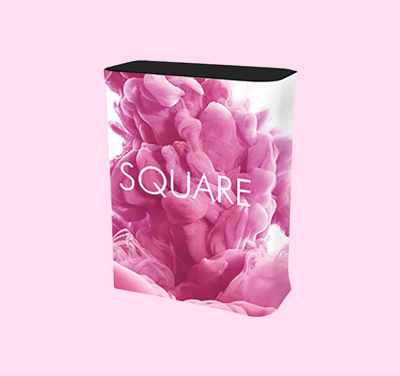
A well-designed promotional counter should reflect your brand’s identity. Use high-quality visuals with uniform color schemes to increase brand identification. Having your trademark prominently displayed ensures rapid brand memory.
Strategic Placement
Position your promotional counter in high-traffic areas to maximise visibility. Ensure it’s easily accessible and doesn’t obstruct the flow of visitors. Lighting can also enhance visibility, drawing attention to your counter.
Staff Training
Provide your employees with the essential training to engage visitors adequately. They should be knowledgeable about the products or services on offer and skilled in initiating conversations that can lead to meaningful interactions.
Incentives and Follow-Up
Offering incentives, such as discounts or freebies, can attract visitors to your promotional counter. Collect contact information for follow-up communications, turning initial interest into lasting business relationships.
Measuring Impact and Continuous Improvement
Post-event review is vital for determining the success of your showcase boards and promotional counters. Collect feedback from attendees, monitor engagement metrics, and assess whether your objectives were met. Use these insights to refine future designs and strategies.
Conclusion
Designing eye-catching exhibition panels and effective promotional counters requires a blend of creativity, strategic planning, and attention to detail. By understanding your audience, adhering to design principles, and continuously seeking improvement, you can create displays that not only attract attention but also drive meaningful engagement. At VC Print, we specialise in creating bespoke exhibition solutions tailored to your brand’s unique needs. Our expertise ensures that your exhibition panels and promotional counters make a lasting impression, helping you stand out in any event.